
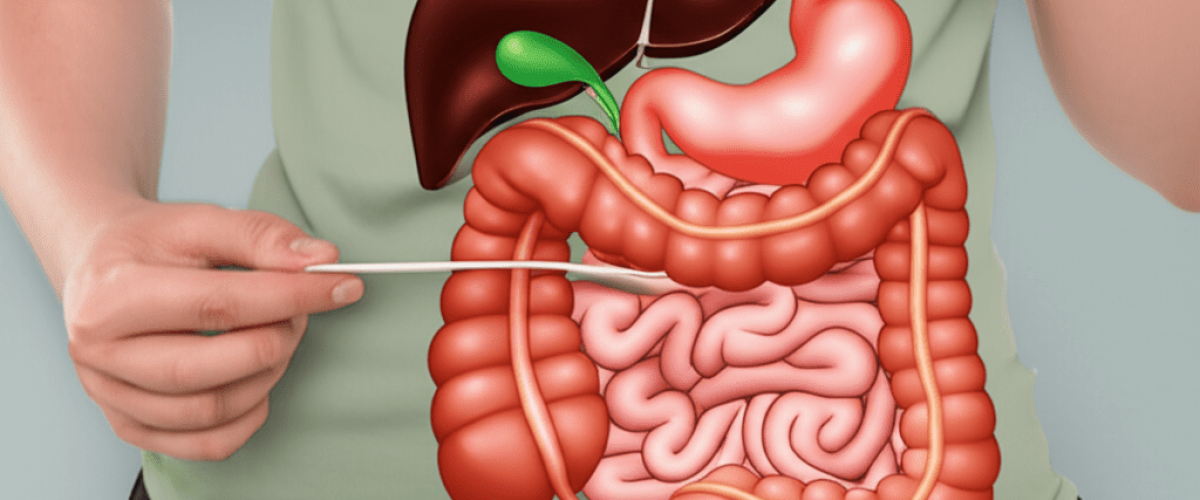
Introduction: The Gut-Weight Connection
In recent years, the spotlight on gut health has shone brighter than ever, revealing that our digestive system plays a more significant role in health than we previously understood. Our gut is home to trillions of microbes, and these bacteria, fungi, and other microorganisms contribute not just to digestion but also to our overall health, including weight management. Understanding this connection can transform the way we approach weight loss and maintenance.
Imagine your gut as a bustling city. In this city, there are good citizens (beneficial bacteria) and troublemakers (harmful bacteria). When there’s a healthy balance between these two groups, the city thrives. However, if the troublemakers take over, chaos ensues, leading to various health issues, including weight gain. In this blog post, we’ll explore how maintaining optimal gut health can positively influence weight management.
The Importance of Gut Microbiota
Our bodies host a diverse community of microorganisms known as the gut microbiota. These tiny inhabitants can significantly influence:
- Digestion: They help break down complex carbohydrates and fiber, turning them into short-chain fatty acids (SCFAs) that provide energy.
- Metabolism: Gut bacteria play a crucial role in how nutrients are absorbed and utilized, directly impacting our metabolism.
- Hormones: The gut microbiota can influence the production of hormones related to hunger and satiety, including leptin and ghrelin.
This interplay between gut health and metabolism means that an imbalance in gut flora can lead to metabolic disorders, resulting in weight fluctuations.
How Gut Health Affects Weight Management
Understanding how gut health influences weight management involves several factors, including inflammation, nutrient absorption, and cravings.
1. Inflammation and Obesity
Chronic low-grade inflammation, often influenced by an imbalanced gut microbiota, is a key player in weight gain. When harmful bacteria predominately colonize the gut, they can lead to an inflammatory response, which interferes with the normal functioning of our metabolism.
Research Highlights:
– Study Findings: A study published in Nature found that individuals with obesity often have a different composition of gut bacteria compared to those with a healthy weight. Increasing the levels of beneficial bacteria can help reduce inflammation and promote weight loss.
2. Nutrient Absorption
The gut’s health dramatically affects how efficiently our bodies can break down and absorb nutrients. An unhealthy gut may lead to nutrient malabsorption, prompting your body to crave more food to compensate for its perceived nutrient deficiency.
– Example: A diet rich in fiber, such as fruits and vegetables, can help support a healthy microbiome, leading to better nutrient absorption and reduced appetite.
3. Impact on Cravings and Appetite Regulation
Gut bacteria are also known to influence the hormones that regulate hunger and satiety. An imbalance can lead to increased cravings for unhealthy, high-calorie foods.
– Impactful Insight: By introducing a balanced, nutrient-rich diet that promotes beneficial bacteria, such as probiotics and prebiotics, you can help regulate these hormones more effectively.
Practical Steps to Enhance Gut Health for Weight Management
Now that we’ve established the critical role of gut health in weight management, let’s dive into practical strategies for improving your gut microbiota:
1. Incorporate Probiotics and Prebiotics
- Probiotics: These are live beneficial bacteria found in fermented foods. Include yogurt, kimchi, sauerkraut, and kombucha in your diet.
- Prebiotics: These are fibers that feed healthy gut bacteria. Foods like garlic, onions, bananas, and asparagus are excellent sources.
2. Emphasize a Diverse Diet
The variety in your diet can influence the diversity of your gut microbiota. Aim to include a wide range of fruits, vegetables, whole grains, lean proteins, and healthy fats.
Tip: Try to “eat the rainbow” and include different colored fruits and vegetables for maximum nutrient absorption and gut health benefits.
3. Limit Processed Foods and Sugar
Highly processed foods and sugars can disrupt gut health by promoting the growth of harmful bacteria. Reducing your intake of these foods can help maintain a balanced microbiome.
4. Stay Hydrated
Water is vital for overall health, including digestion. Proper hydration supports the mucosal lining of the intestines, allowing for the optimal function of gut flora.
5. Manage Stress
Stress can have a negative impact on gut health. Practice stress management techniques such as meditation, yoga, or deep breathing exercises to foster a healthy gut environment.
The Benefits of a Healthy Gut in Weight Loss
Improving gut health not only aids in weight management but also offers several other benefits:
- Enhanced immune function
- Improved mood and mental clarity
- Better skin health
- Increased energy levels
Conclusion: Embrace Gut Health for Sustainable Weight Management
The connection between gut health and weight management is becoming increasingly clear. By focusing on nurturing your gut microbiota through a balanced diet, hydration, and stress management, you can create an environment that supports effective weight loss and management.
As science continues to unravel the complexities of our gut, it’s essential to recognize that optimal health extends beyond mere calorie counting. Instead, embracing a holistic approach that enhances gut health can lead to more sustainable results in weight management.
Keep exploring this fascinating field, and remember: nurturing your gut is an investment in your overall health and well-being.
Frequently Asked Questions
1. How does gut health affect weight loss?
Gut health impacts weight loss through its influence on digestion, metabolism, and hormonal regulation, which can affect cravings and appetite.
2. What foods promote gut health?
Foods rich in probiotics such as yogurt and fermented vegetables, and prebiotics such as garlic and bananas promote gut health.
3. Can stress affect gut health?
Yes, stress can negatively impact gut health by disrupting the balance of gut bacteria.
4. How can I improve my gut health quickly?
Incorporating a diverse diet, staying hydrated, and consuming probiotics and prebiotics can quickly enhance gut health.