
Introduction
In an era where the pursuit of optimal health intertwines with weight management, many are seeking out natural solutions that offer dual benefits. One such solution lies in understanding the role of prebiotic foods in supporting weight loss efforts while promoting gut health. If you’ve ever felt confused about the relationship between what you eat and your gut microbiome, you’re not alone. In this blog post, we’ll explore how prebiotic foods can serve as powerful allies on your journey to a healthier weight and improved digestive function.
Understanding Prebiotic Foods
Let’s take a step back for a second. What exactly are prebiotic foods?
Prebiotics are non-digestible food components that help beneficial bacteria in the gut thrive. Unlike probiotics, which are live beneficial bacteria, prebiotics fuel these bacteria, promoting a healthy gut microbiome. Think of prebiotics like fertilizer for your garden; they nourish and enhance the growth of the good bacteria that already exist, helping them flourish.
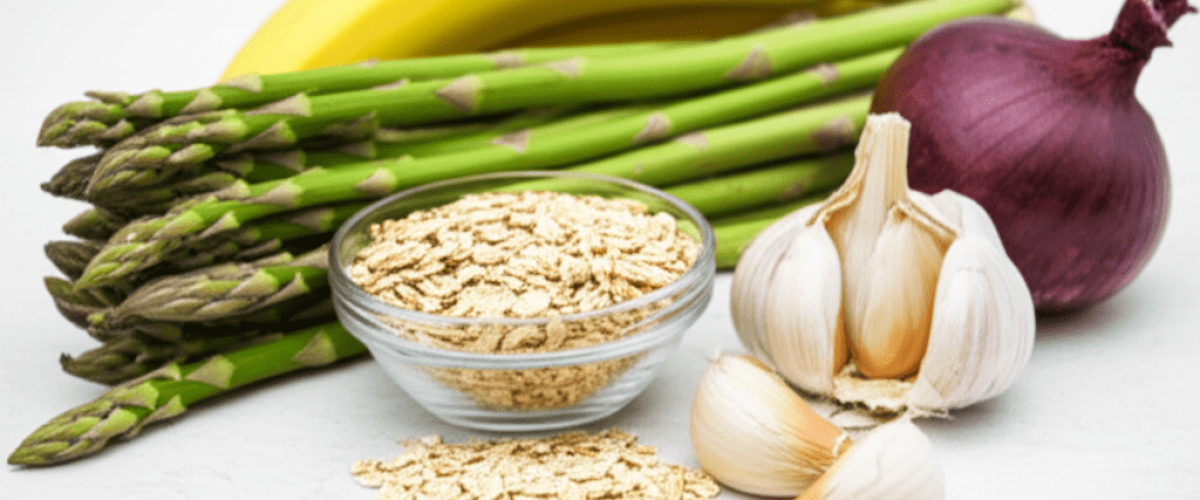
- Examples of prebiotic foods include:
- Inulin-rich foods (like chicory root, garlic, and onions)
- Bananas (especially when still slightly green)
- Asparagus
- Oats
- Apples
Not only do these foods support digestive health, but they also play a crucial role in weight management.
The Connection Between Gut Health and Weight Loss
Now that we understand what prebiotic foods are, let’s delve into how they can impact weight loss.
Research suggests that a healthy gut microbiome can influence body weight and fat stores. When the gut is balanced and populated with beneficial bacteria, it can help regulate energy metabolism, appetite, and even fat storage. Here’s how prebiotic foods contribute to this process:
- Enhanced Satiety and Reduced Appetite:
Prebiotics can attenuate hunger. By improving gut health, they may help you feel fuller for longer. This effect is believed to be due to their impact on hormones related to hunger and satiety, including ghrelin and peptide YY. - Improved Insulin Sensitivity:
A healthy gut can lead to better insulin sensitivity, which aids in maintaining stable blood sugar levels. When insulin sensitivity is improved, your body becomes more efficient at utilizing carbohydrates for energy rather than storing them as fat. - Reduced Inflammation:
A compromised gut can lead to systemic inflammation, often associated with weight gain and metabolic syndrome. Prebiotics may help reduce inflammation by promoting the growth of anti-inflammatory gut bacteria. - Efficient Energy Extraction from Food:
The composition of your gut microbiome can influence how efficiently your body extracts energy from the food you eat. A balanced microbiome encourages a healthy metabolic rate, thus preventing weight gain.
Real-World Examples: Integrating Prebiotic Foods into Your Diet
Incorporating prebiotic foods into your daily meals doesn’t have to be complicated. Here are a few practical tips to get started:
- Breakfast Boost:
Start your day with a bowl of oatmeal topped with sliced bananas and a sprinkle of raw oats for extra fiber. This combination reinforces the growth of beneficial bacteria while keeping you satiated until lunch. - Snack Smart:
Consider snacking on raw garlic hummus with carrot sticks or cucumber slices. This not only provides prebiotics but also fiber, packing a one-two punch for digestive health. - Incorporate Variety:
Make it a goal to include a variety of prebiotic foods throughout the week. This could mean adding different fruits, vegetables, and whole grains into your meals, fostering a diverse gut microbiome. - Use Supplements Wisely:
If you struggle to meet your intake through food alone, consider a high-quality prebiotic supplement but consult a healthcare provider first.
Getting the Most Out of Prebiotic Foods
To maximize the benefits of prebiotic foods, keep these insights in mind:
- Balance is Key: Consider consuming a balance of both prebiotics and probiotics. While prebiotics feed good bacteria, probiotics introduce new beneficial strains into your system.
- Hydration Matters: Always drink enough water, especially when increasing your fiber intake. This helps your digestive system process the increased volume of food effectively.
- Be Patient: Improvements in gut health and weight may take time. Maintain consistency in your dietary choices.
- Monitor Your Body’s Response: Every individual is different; be mindful of how your body responds to dietary changes. Adjust your food choices as needed for optimal health benefits.
Conclusion
In summary, prebiotic foods can play a significant role in supporting weight loss while enhancing gut health. By nourishing beneficial bacteria, these foods help regulate appetite, improve insulin sensitivity, and may lead to better metabolic rates. Whether you’re looking to shed pounds or simply improve your overall health, integrating more prebiotic foods into your diet is a strategy worth considering.
As we continue to learn more about the gut microbiome’s influence on our health, the potential for prebiotic foods in weight management becomes increasingly evident. By embracing these foods, you not only enhance your nutrition but also take proactive steps toward achieving and maintaining a healthy weight.
With the right knowledge and tools, your path to better health is not just achievable but satisfying. Let’s prioritize gut health and explore the benefits it can bring to our journeys!
FAQ
What are prebiotic foods?
Prebiotic foods are non-digestible food components that help beneficial bacteria in the gut thrive, supporting gut health.
How do prebiotic foods support weight loss?
They promote gut health, which can lead to better appetite regulation, improved insulin sensitivity, and reduced inflammation.
Can I get enough prebiotics from my diet?
Yes, by incorporating a variety of prebiotic-rich foods such as bananas, oats, and garlic into your meals.
Are prebiotic supplements necessary?
They are not necessary for everyone; it’s best to consult a healthcare provider if you struggle to consume enough prebiotic foods through diet alone.
How long does it take to see benefits from prebiotic foods?
Improvements in gut health and weight may take time. Maintaining consistency in your dietary choices is key.