
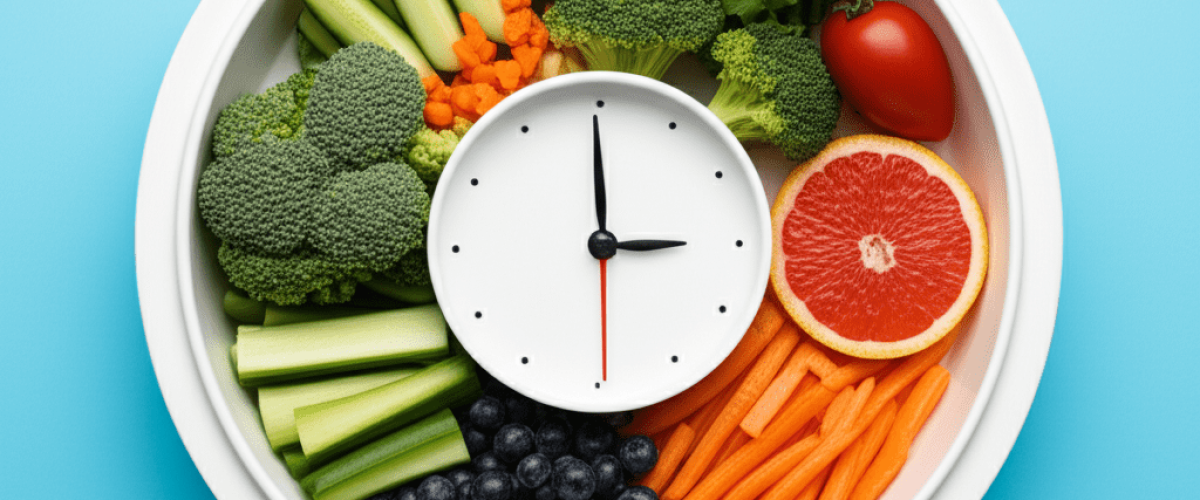
Introduction
In the realm of nutrition and weight loss, the spotlight often shines on what to eat, but an increasingly fascinating question is when to eat. The concept of meal timing has gained traction, promising to help individuals not only shed pounds but also enhance metabolism. With trends like intermittent fasting claiming numerous benefits, it’s time to dive deep into the science behind meal timing and explore how these eating windows can significantly affect your weight loss journey.
Understanding Meal Timing
Meal timing refers to the scheduling of eating and fasting periods throughout the day. It doesn’t merely focus on the caloric content or nutritional value of food, but rather on the strategic timing of meals.
To put it simply, think of your body’s metabolism as a high-performance machine. Just as a car requires fuel at the right moments for optimal efficiency, your body benefits from consuming food when it’s most prepared to metabolize energy effectively.
The Science of Meal Timing
Research on meal timing indicates that the body’s biological clock—known as the circadian rhythm—plays a crucial role in metabolism. This internal clock dictates various physiological processes, including digestion and energy expenditure.
Here are some critical points to consider:
- Circadian Rhythms: Your body metabolizes food differently depending on the time of day. For instance, studies show that insulin sensitivity is higher in the morning, making breakfast an excellent opportunity to optimize energy use.
- Fasting and Feeding Windows: Intermittent fasting (IF) is one of the most popular meal timing strategies, where individuals cycle between eating and fasting periods. Common patterns include 16/8 (16 hours of fasting followed by an 8-hour eating window) or 5:2 (normal eating for five days and restricting calories on two non-consecutive days).
- Pacing Your Meals: Eating larger meals later in the day can impact weight and health differently compared to spaced-out smaller meals throughout the day.
Real-World Examples and Studies
1. Intermittent Fasting Success Stories: Many fitness enthusiasts have turned to intermittent fasting and reported remarkable transformations. For instance, a study published in the New England Journal of Medicine highlighted that participants following IF not only lost weight but also showed improved glucose levels and cholesterol profiles.
2. The Benefits of Breakfast: While some IF adherents skip breakfast, research suggests that regular breakfast eaters often have an easier time managing their weight. A study in the American Journal of Clinical Nutrition found that people who consume a hearty breakfast tend to have healthier eating patterns and better overall health outcomes.
3. The Role of Evening Eating: Some studies have suggested that late-night eating, especially when it involves high-calorie snacks, is linked to an increased risk of obesity. Adjusting the timing of your meals to earlier in the day can contribute to weight loss.
Benefits of Meal Timing for Weight Loss
The strategic timing of meals can optimize not only weight loss efforts but also overall health. Here are some benefits:
- Enhanced Metabolism: Aligning your meals with your body’s natural rhythms can improve metabolic efficiency, helping your body burn calories more effectively.
- Improved Energy Levels: Eating at the right times can lead to sustained energy throughout the day, avoiding energy crashes typically associated with poor meal timing.
- Reduced Cravings: Structured eating times can diminish the likelihood of impulse snacking and unhealthy choices.
- Better Digestive Health: Consistent eating patterns can support gut health, as your digestive system thrives on routine.
Practical Tips for Implementing Meal Timing
To incorporate meal timing into your weight loss strategy effectively, consider the following tips:
- Assess Your Current Patterns: Track your current eating habits to identify any irregularities in meal timing.
- Choose Your Eating Window: If considering intermittent fasting, decide on a window that fits your lifestyle. For beginners, the 16/8 approach can be a good start.
- Plan Balanced Meals: Focus on whole foods during your eating window, incorporating protein, healthy fats, and complex carbohydrates.
- Stay Hydrated: Drink plenty of water, especially during fasting periods, to help with satiety and maintain hydration.
- Listen to Your Body: Pay close attention to hunger cues. Meal timing should not lead to overeating or unnecessary restriction.
Conclusion
Meal timing is an exciting aspect of nutrition that holds significant potential for weight loss and overall health. By aligning your eating habits with your body’s natural rhythms and considering strategies like intermittent fasting, you can enhance your metabolism, improve energy levels, and achieve your weight loss goals more effectively.
As you explore the world of meal timing, remember that it’s essential to find an approach that best fits your lifestyle. Experimenting with various eating windows and paying attention to what works for your body can lead to sustainable changes that align with your health objectives.
In the journey toward better nutrition and weight management, understanding the when of eating can be just as crucial as the what. So, consider leveraging meal timing as a potent tool in your health and fitness arsenal.
Frequently Asked Questions
1. What is meal timing? Meal timing refers to the scheduling of eating and fasting periods, focusing on the optimal times for consuming food to enhance metabolism and weight loss.
2. How does intermittent fasting work? Intermittent fasting (IF) involves cycling between periods of eating and fasting, with several popular patterns like 16/8 or 5:2.
3. Can I still lose weight if I eat at night? While late-night eating is often linked to weight gain, adjusting meal timing to eat earlier can help manage weight effectively.
4. Should I skip breakfast if I practice intermittent fasting? Not necessarily, as regular breakfast eaters have shown better weight management. It depends on your specific fasting schedule.
5. How can I make meal timing work for my lifestyle? Start by tracking your current eating habits, choose a suitable eating window, and focus on balanced meals during that time.