
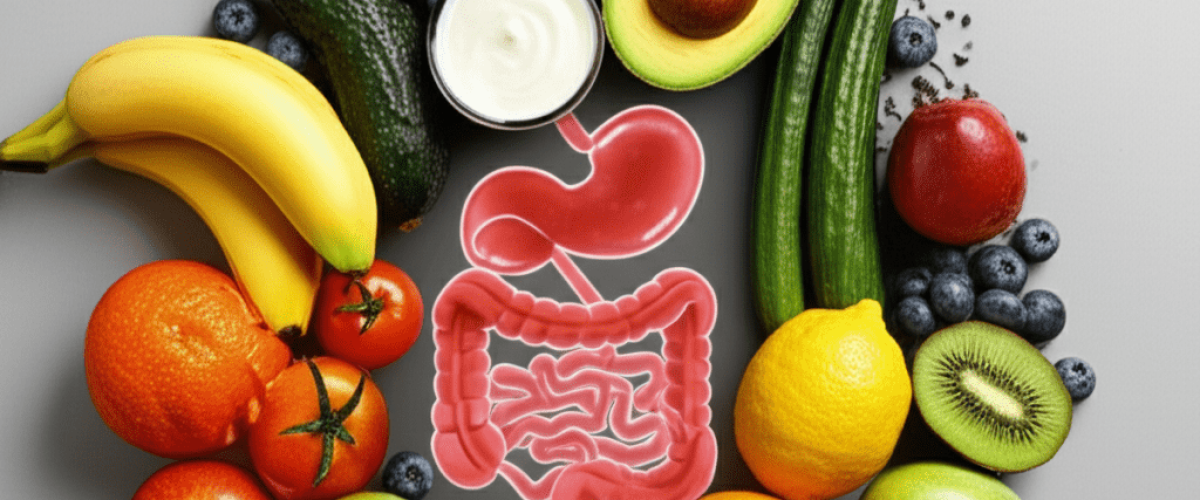
In recent years, the connection between gut health and overall wellbeing has gained significant attention, particularly in the realm of weight management. But how exactly does gut health influence weight loss, and what role do probiotics play in metabolic regulation? This post delves into these questions, offering insights that can transform your approach to dieting and health.
Understanding Gut Health and Its Importance
The gut is often referred to as the “second brain” of the body due to its complex ecosystem of microorganisms, also known as the gut microbiome. This intricate community comprises trillions of bacteria that play vital roles in digestion, immune response, and even mood regulation. When it comes to weight loss, gut health is more than just a trend; it’s a crucial component of a successful weight management strategy.
Imagine your gut as a vibrant city where various neighborhoods (microbial species) work together to keep the city functioning smoothly. When the balance is right, the city’s health thrives, resulting in efficient metabolism and a healthy weight. When this balance is disrupted (often by poor dietary choices, stress, and antibiotics), it can lead to various issues, including weight gain.
The Role of Probiotics in Weight Management
Probiotics are live microorganisms that confer health benefits when consumed in adequate amounts. They contribute to gut health by maintaining a balance between good and bad bacteria. Here’s how they work:
- Enhanced Digestion: Probiotics support the breakdown of food and absorption of nutrients, which is essential for effective weight management.
- Inflammation Reduction: Chronic inflammation can inhibit weight loss. Probiotics help reduce inflammation, making it easier to shed excess pounds.
- Hormonal Regulation: They can influence hormones that affect hunger and appetite, like leptin and ghrelin.
- Fat Storage Control: Some studies suggest that certain probiotic strains can reduce fat storage and increase fat metabolism.
Real-World Examples and Case Studies
To underscore the connection between gut health and weight loss, let’s look at some real-world examples:
- Study on Yogurt Consumption: A study conducted in the Journal of Nutrition found that individuals who included probiotic-rich yogurt in their diet lost more weight over 12 weeks compared to those who did not. The participants reported improvements in digestion and satiety as well.
- The Weight Control and Probiotics Study: Another insightful study showed that individuals who supplemented their diet with probiotic capsules experienced a weight loss of 5-10% over a 6-month period, significantly better than the control group.
These examples reflect a growing body of evidence supporting the positive effects of probiotics on weight loss. However, it’s essential to choose the right strains and combinations — not all probiotics are created equal.
Choosing the Right Probiotic for Weight Loss
When selecting a probiotic for weight management, consider the following:
- Strain Specificity: Certain strains like Lactobacillus gasseri and Bifidobacterium lactis have shown promising effects on weight loss.
- CFU Count: Look for products with at least 1 billion CFUs (colony-forming units) for effective results.
- Variety of Strains: A blend of different strains may offer broader benefits by enhancing the diversity of your gut microbiome.
How to Incorporate Probiotics into Your Diet
Incorporating probiotics into your diet can be fun and delicious! Here are some practical tips:
- Fermented Foods: Include foods such as yogurt, kefir, sauerkraut, kimchi, and miso in your diet.
- Probiotic Supplements: Consider taking high-quality probiotic supplements if you find it difficult to obtain enough probiotics through food alone.
- Balanced Diet: Pair probiotics with prebiotic-rich foods (like garlic, onions, and bananas) to nourish good bacteria.
Benefits Beyond Weight Loss
While the focus is often on weight loss, probiotics offer additional health benefits:
- Improved Digestive Health: Alleviation from gastrointestinal issues, like bloating and constipation.
- Enhanced Immunity: Strengthening the immune system and reducing the incidence of infections.
- Mood Regulation: A healthy gut is linked to mental health, potentially reducing anxiety and depression symptoms.
Final Thoughts on Gut Health and Weight Loss
The journey toward effective weight loss and improved health is multifaceted, and gut health plays a pivotal role in this process. By incorporating probiotics and nurturing your gut microbiome, you can positively influence your metabolism, appetite regulation, and overall health. Remember, it’s not just about counting calories; it’s about balancing the ecosystem within you.
As the research evolves, we will learn more about the precise mechanisms by which gut health influences weight loss, paving the way for personalized dietary strategies. Emphasizing a gut-friendly approach may be the key to sustainable weight management and a healthier life.
Frequently Asked Questions (FAQ)
- What are probiotics? Probiotics are live microorganisms that provide health benefits when consumed. They help maintain a balance between good and bad bacteria in the gut.
- How do probiotics help in weight loss? Probiotics enhance digestion, reduce inflammation, regulate hormones related to hunger, and may control fat storage, which collectively supports weight loss efforts.
- Can I get enough probiotics from food? Yes, you can obtain probiotics from fermented foods like yogurt, kefir, sauerkraut, and kimchi, but supplementation may be needed in some cases.
- Are all probiotics the same? No, different strains of probiotics have varying effects on health. It’s crucial to choose the right strain for your specific health goals.
- How long does it take to see results from probiotics? Results can vary by individual, but some people notice improvements in digestion and weight within a few weeks of consistent probiotic use.