
Introduction
In today’s fast-paced world, finding time to eat healthily can often feel like a daunting task. With the abundance of fast food options and processed snacks readily available, maintaining a balanced diet is no easy feat. Enter meal prepping — a strategic approach to preparing meals ahead of time that not only saves you time but also aligns with your weight loss goals. In this post, we will explore how effective meal prepping can enhance your weight loss journey, offering you practical tips and valuable insights along the way.
The Concept of Meal Prepping
Meal prepping involves planning, preparing, and packaging meals in advance. Think of it as creating a personalized menu that caters to your nutritional needs while simplifying your daily routine. By investing a few hours each week, you can revolutionize your eating habits and minimize the temptation of junk food.
Imagine this scenario: It’s a busy Tuesday evening, and you’ve just finished a long day at work. You’re tired, hungry, and tempted to order takeout. However, because you’ve meal prepped on Sunday, you open your fridge to find a healthy, delicious meal ready to go. This not only saves time but also keeps you on track with your health goals. This is the power of meal prepping.
Benefits of Meal Prepping for Weight Loss
- Portion Control: Prepping your meals allows you to control portion sizes, making it easier to adhere to your calorie goals.
- Healthier Choices: When you prepare your meals, you can focus on nutrient-dense foods that support weight loss, like fruits, vegetables, lean proteins, and whole grains.
- Reduced Stress: Knowing that your meals are ready eliminates the daily stress of figuring out what to eat, which can often lead to unhealthy last-minute decisions.
- Cost-Effectiveness: Cooking in bulk not only saves time but can also be more economical than buying single meals or dining out.
How to Start Meal Prepping
Getting started with meal prepping might seem overwhelming, but it doesn’t have to be. Follow these simple steps to begin your journey:
- Plan Your Meals: Start by choosing a few recipes you want to try. Consider your dietary preferences, schedule, and what might go well together. Stick to simple, balanced meals that incorporate various food groups.
- Make a Grocery List: After selecting your recipes, create a detailed grocery list to ensure you have everything you need. This will help you avoid impulse purchases at the store.
- Batch Cook: Dedicate a specific time — often a few hours on the weekend — to cook your meals in bulk. Cook larger portions of grains, proteins, and vegetables that can be mixed and matched throughout the week.
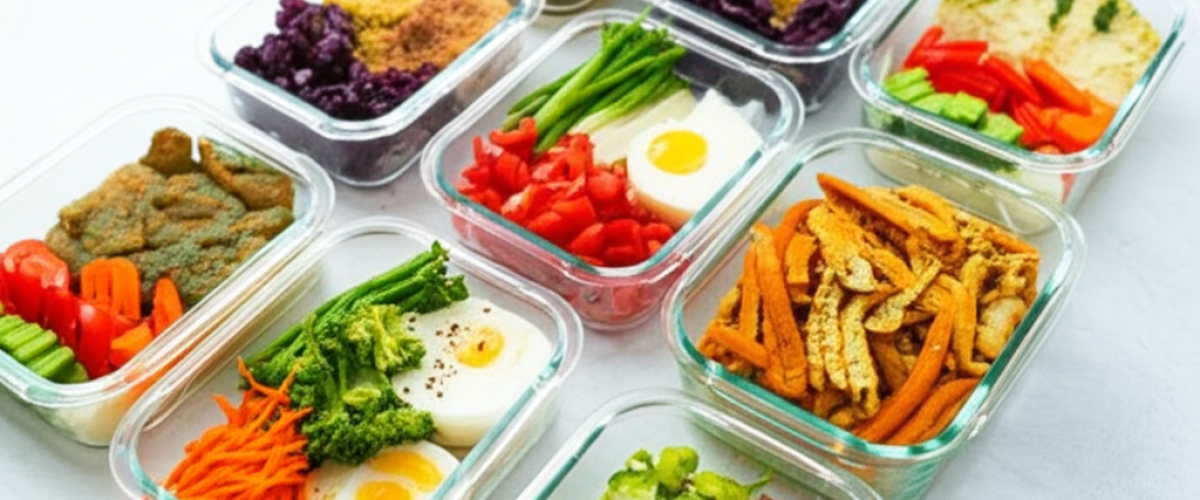
- Portion and Store: Divide your meals into portion-sized containers. Use clear, glass or BPA-free plastic containers for easy visibility and organization in your fridge.
- Label Your Meals: To keep track of what you have prepared, label your containers with the meal name and the date it was made. This helps you manage freshness and variety.
Real-World Examples
Let’s consider a practical scenario: You might prepare grilled chicken with quinoa and steamed vegetables for your lunches. Breakfast could consist of overnight oats topped with fruits and nuts. By having these meals prepped, you have options that align with your calorie and nutritional needs right at your fingertips.
Another example is someone trying to adopt a plant-based diet. By prepping chickpea salads or lentil soup in advance, they can easily stick to their new eating habits without feeling overwhelmed by food preparation every day.
Common Mistakes to Avoid
While meal prepping can be a game-changer, there are some pitfalls to watch out for:
- Overcomplicated Recipes: Stick to straightforward recipes to avoid burnout. Simple meals can be just as nutritious and far less stressful to prepare.
- Neglecting Variety: Eating the same meals every day can lead to boredom. Ensure you rotate different recipes to keep your meals exciting.
- Failing to Plan for Snacks: Don’t forget to prep healthy snacks, such as cut vegetables with hummus or nuts, to avoid reaching for unhealthy options between meals.
Meal Prepping Tools to Consider
Investing in the right kitchen tools can enhance your meal prepping experience:
- Food Containers: Choose an assortment of sizes that are microwave-friendly and leak-proof.
- Kitchen Scale: This can help with portion control, ensuring you’re sticking to your caloric goals.
- Crockpot or Instant Pot: These appliances make it easy to prepare large quantities of meals with minimal effort.
- Sharp Knives and Cutting Boards: Good quality utensils will simplify the chopping and prep process significantly.
Conclusion
Meal prepping is not just a trend; it’s a transformative approach to eating well while managing weight effectively. By planning and preparing your meals in advance, you can make healthier choices that align with your fitness goals. When done right, meal prepping saves time, reduces stress, and puts you in control of your nutrition.
To sum up, start small, choose balanced recipes, and gradually incorporate meal prepping into your routine. As you gain confidence, you’ll not only enjoy the benefits of prepping but will also find it easier to maintain a healthy lifestyle. So, roll up your sleeves, gather your ingredients, and get ready to set yourself up for weight loss success through meal prepping!
FAQ
What is meal prepping?
Meal prepping is the process of preparing your meals in advance to save time and maintain healthy eating habits.
Why is meal prepping beneficial for weight loss?
It helps with portion control, reduces unhealthy food choices, and saves time, making it easier to stick to a balanced diet.
How can I start meal prepping?
Begin by planning your meals, creating a grocery list, batch cooking, dividing meals into containers, and labeling them for freshness.