
Introduction
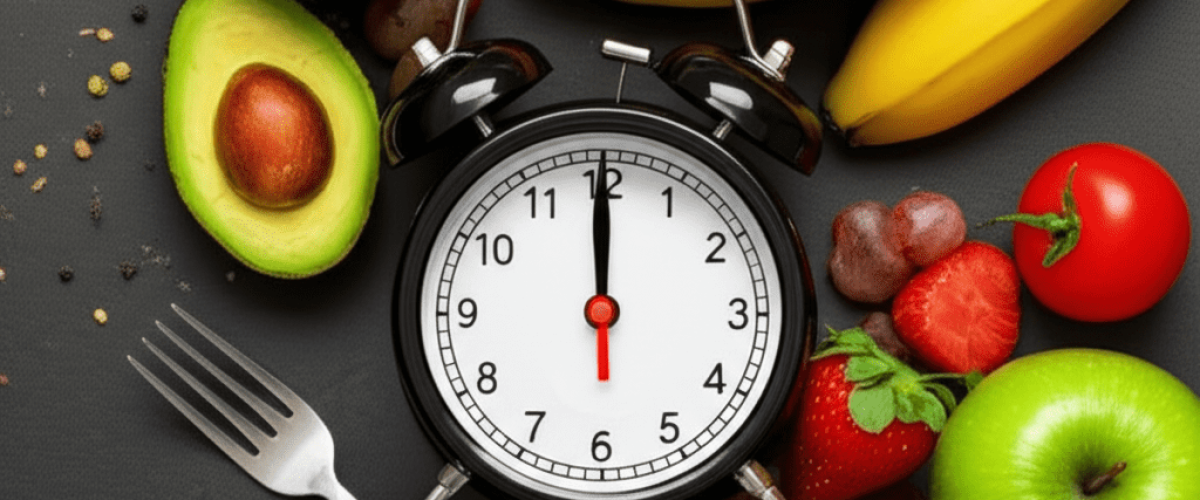
In our fast-paced world, meal timing often becomes an afterthought, eclipsed by the hustle of daily life. However, emerging evidence suggests that when you eat may be just as important as what you eat. This concept, known as chrononutrition, studies how meal timing aligns with our body’s biological clock. This blog post will explore how the timing of your meals can significantly impact your weight loss journey.
Understanding Chrononutrition
Chrononutrition is the study of the relationship between nutritional intake and the timing of consumption, considering our circadian rhythms. Just as our bodies are programmed to sleep at night and be active during the day, they also have preferred times to digest and metabolize food.
Imagine your body as a finely tuned orchestra, with each section (from digestion to metabolism) playing its part at exactly the right time. If even one section plays out of sync, the whole performance suffers, leading to inefficient processes like weight gain and poor health.
The Science Behind Meal Timing
Research has shown that the timing of meals can have a profound effect on how our body processes food. Here are some key scientific insights:
- Circadian Rhythms and Metabolism: Our body’s metabolic processes peak at certain times during the day. For example, insulin sensitivity is generally higher in the morning, which means your body is better at processing carbohydrates during that time. Eating a large meal early in the day can help in better glucose management.
- Fasting and Eating Windows: Intermittent fasting is a popular trend that aligns with chrono-nutritional principles. By limiting eating to a specific timeframe, such as 8 hours in a day, you can harness the body’s repair and regeneration processes during the fasting period while allowing optimal metabolic function during the feeding window.
Practical Applications of Chrononutrition
Implementing chrononutrition principles can be easier than you think. Here are some practical steps you can take:
- Prioritize Breakfast: Start your day with a protein-rich breakfast within an hour of waking up to kickstart your metabolism.
- Avoid Late-Night Eating: Try not to eat within three hours of bedtime to allow for digestion and prevent weight gain.
- Regular Meal Times: Stick to a fixed schedule that supports your natural rhythms. This helps regulate your body’s hunger hormones.
- Strategic Snacking: If you need snacks, choose them wisely. Incorporate fruits, nuts, or yogurt earlier in the day when your metabolism is more active.
Real-World Examples
Consider two individuals: Sarah and John. Both consume the same number of calories daily but follow different meal timing strategies.
- Sarah eats her largest meal at dinner, often consuming heavy carbs late in the evening.
- John enjoys a hearty breakfast, light lunch, and a smaller dinner.
Over the course of three months, Sarah finds it challenging to maintain her weight and feels lethargic. Meanwhile, John experiences consistent energy levels and even loses a few pounds. This scenario illustrates how meal timing, linked to circadian rhythms, can manifest in tangible outcomes.
Benefits of Chrononutrition for Weight Loss
Embracing chrononutrition can offer several benefits, such as:
- Improved Metabolic Health: Aligning meals with your body’s natural rhythms can enhance insulin sensitivity and glucose metabolism.
- Weight Management: Proper meal timing can help regulate hunger hormones like ghrelin and leptin, leading to reduced appetite and healthier food choices.
- Better Sleep: Eating at regular intervals ensures your digestive system isn’t overloaded before bed, promoting restful sleep—a crucial component of weight loss.
- Enhanced Energy Levels: Proper meal timing can help maintain steady energy levels throughout the day, making exercise more enjoyable.
Challenges and Considerations
While adopting a chrononutrition approach can be beneficial, it’s essential to consider the following:
- Individual Variability: Some people may respond better to different eating patterns. Factors like lifestyle, work schedules, and personal health must shape your meal timing strategy.
- Cultural and Social Factors: Meal times can vary widely based on cultural practices and social settings, making rigid adherence difficult.
- Consistency is Key: Like any dietary strategy, consistency over time will yield the best results.
Conclusion
Chrononutrition offers an exciting perspective on weight management that focuses on the timing of meals rather than just calorie count. By aligning your eating schedule with your biological clock, you can enhance your body’s natural ability to regulate weight, improve metabolic health, and even enhance your overall well-being.
As you consider your meal timing, remember that small changes can lead to significant impacts. Experiment with your eating schedule, observe how it affects your energy and appetite, and find what fits best within your lifestyle. With a bit of attention to timing, you can pave the way for effective weight loss and a healthier future.
FAQ
What is chrononutrition?
Chrononutrition is the study of how meal timing affects our body’s biological clock and metabolism.
Can meal timing impact weight loss?
Yes, the timing of meals can significantly influence metabolic processes and weight management.
What are practical ways to implement chrononutrition?
Prioritize breakfast, avoid late-night eating, and maintain regular meal times.
Is chrononutrition the same for everyone?
No, individual factors such as lifestyle and health conditions can affect how one should time their meals.