
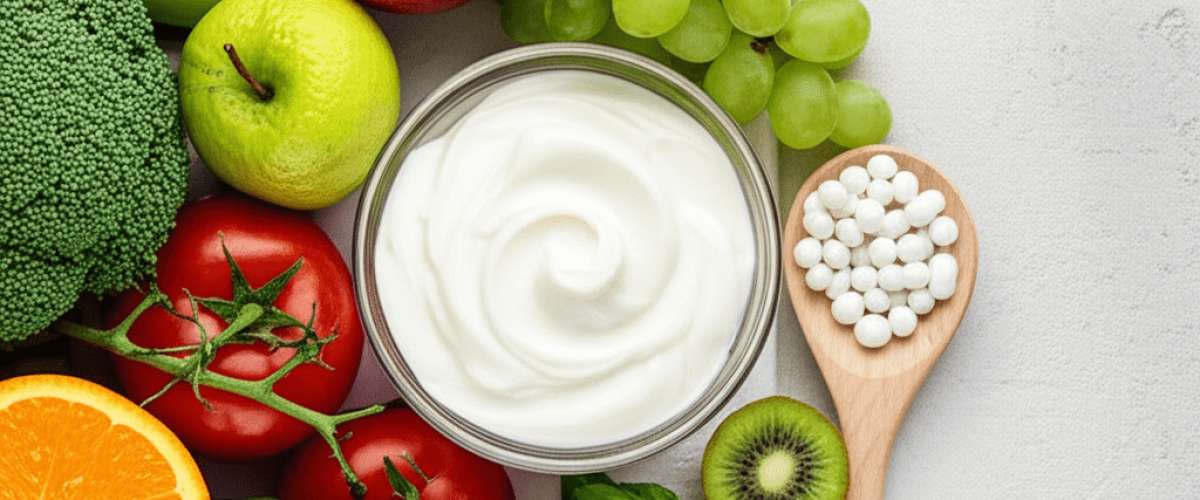
Unlocking Gut Health: A Key to Weight Management
Estimated reading time: 5 minutes
- Gut health plays a crucial role in weight management.
- Improving gut health can enhance metabolism and appetite control.
- Incorporating probiotics and prebiotics is vital for a healthy gut.
- Processed foods and high sugar intake can disrupt gut bacteria.
- Real-world applications illustrate successful weight loss through gut health.
Table of Contents
- Understanding Gut Health
- The Gut-Brain Connection
- Benefits of a Healthy Gut for Weight Management
- Practical Strategies to Improve Gut Health
- Real-World Applications: Gut Health in Weight Loss Programs
- Conclusion
Understanding Gut Health
Our gut is home to trillions of microorganisms, including bacteria, viruses, and fungi, collectively known as the microbiome. This complex ecosystem plays numerous roles in our bodies, including digestion, immune function, and even influencing our mood. Here’s how gut health relates to weight management:
- Metabolism Regulation: Certain gut bacteria are involved in breaking down food and absorbing nutrients. Imbalances can lead to inefficient metabolism, making weight loss more difficult.
- Appetite Control: The microbiome can affect hormones that regulate hunger and satiety, thereby influencing our eating behaviors.
- Fat Storage: Research indicates that the composition of gut bacteria may affect how calories are extracted from food, impacting weight gain and loss.
The Gut-Brain Connection
Not only does gut health influence weight, but it also plays a pivotal role in the gut-brain connection. The vagus nerve runs from the brain to the gut, conveying information that can affect both mental state and appetite. Here’s how it works:
- Microbial Impact on Mood: A healthy microbiome has been linked to better mood and mental health, which can influence eating habits.
- Stress and Eating: Stress affects our gut health, which in turn can lead to cravings and overeating, perpetuating a cycle of weight gain.
Benefits of a Healthy Gut for Weight Management
Improving your gut health can offer several benefits that aid in weight management:
- Enhanced Digestion: A balanced microbiome improves nutrient absorption and digestion, making it easier to maintain a healthy weight.
- Reduced Inflammation: Many overweight individuals experience systemic inflammation, which can be mitigated by a healthy gut.
- Improved Insulin Sensitivity: Gut health has been linked to improved insulin response, which is crucial for weight regulation.
Practical Strategies to Improve Gut Health
Now that we understand the significance of gut health in weight management, let’s explore actionable strategies to enhance your microbiome:
1. Incorporate Probiotics
Probiotics are live bacteria that can positively influence gut health. Foods rich in probiotics include:
- Yogurt
- Kefir
- Sauerkraut
- Kombucha
Consider adding these to your diet to promote a healthy gut flora balance.
2. Embrace Prebiotics
Prebiotics are substances that feed your healthy gut bacteria. Foods high in prebiotics include:
- Bananas
- Garlic
- Onions
- Asparagus
Transitioning to a diet that includes both probiotics and prebiotics can help create a favorable environment for beneficial bacteria to thrive.
3. Limit Processed Foods and Sugar
High sugar and processed food consumption can disrupt the balance of gut bacteria, leading to gut dysbiosis. Opt for whole, unprocessed foods, which provide better nutrition and support gut health.
4. Stay Hydrated
Sufficient water intake is vital for the gut, aiding digestion and nutrient absorption. Aim for at least 8 glasses a day, adjusting based on activity levels and climate.
5. Regular Physical Activity
Exercise is beneficial for gut health. Regular physical activity promotes the growth of beneficial bacteria and can help manage weight by increasing metabolism and reducing insulin resistance.
Real-World Applications: Gut Health in Weight Loss Programs
Real-world examples illustrate the profound effect gut health has on weight management:
- Diet Programs: Weight loss programs that emphasize gut health, like those incorporating fermented foods, have reported higher success rates among participants.
- Clinical Trials: Studies have shown that individuals with diverse gut microbiomes tend to lose weight more effectively, demonstrating the microbiome’s significant role in metabolic processes.
This growing body of evidence is inspiring new approaches to weight loss that take gut health into account, revolutionizing how we think about diets.
Conclusion
Gut health is an integral component of successful weight management. By understanding the dynamic relationship between our gut microbiome and our overall health, we can make informed dietary and lifestyle choices that promote a healthier weight and reduce the risk of obesity-related diseases. Remember, it’s not just about counting calories, but about cultivating a healthy gut environment. Consider implementing the strategies discussed in this blog to improve your gut health—unlocking a new layer of your weight management journey! With mindful nutrition and attention to gut health, you can take significant steps toward achieving and maintaining your health and wellness goals.
Frequently Asked Questions
- How does gut health affect weight loss?
- What foods are best for gut health?
- Can I improve my gut health quickly?
How does gut health affect weight loss?
Gut health influences weight loss through metabolism regulation, appetite control, and fat storage, making it essential for weight management.
What foods are best for gut health?
Foods rich in probiotics (like yogurt and kefir) and prebiotics (like bananas and garlic) are excellent for maintaining gut health.
Can I improve my gut health quickly?
While it takes time to establish a healthy microbiome, incorporating probiotic and prebiotic foods into your diet can yield improvements relatively quickly.